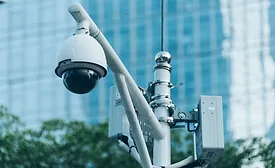
Breakthroughs in artificial intelligence (AI) and other digital technology, including faster, more affordable bandwidth, are revolutionizing the ways cities conduct surveillance and provide security. Major cities throughout the U.S. are utilizing turnkey systems that integrate video footage, access management, traffic monitoring and body-worn cameras into central high-speed networks.
The National Institute of Standards and Technology (NIST) has a new document, Artificial Intelligence and User Trust (NISTIR 8332), that is now open for public comment until July 30, 2021. The document's goal is to stimulate a discussion about how humans trust artificial intelligence (AI) systems.
Integrated solutions using advanced analytics and artificial intelligence (AI) bring expanded functionality and enhanced security to swinging doors and turnstiles
While artificial intelligence (AI) is becoming an integral part of business operations in myriad market segments around the globe, security applications have been slower to adopt it into the mix. However, the added health risks organizations now face from COVID-19 have forced both security solutions providers and users to rethink how AI can help mitigate those risks.
Proposed research at Purdue University is developing innovative solutions using artificial intelligence to enhance the security of current and future Rolls-Royce platforms powered by the company’s propulsion systems.
When it comes to intelligent video surveillance in particular, AI-driven products are beginning to unlock new functionality, and even change the role video surveillance plays for companies. From better sensors to higher resolution cameras to more efficient processing units, we're seeing an unparalleled convergence of hardware and software. And that's creating new opportunities for everything from intelligent threat detection to personalized customer experiences. We're just at the beginning of this journey, but it's clear that best practices are changing. Seemingly in real-time, security professionals are reimagining how they'll build their teams, structure engagements and define their value. We're all still building the playbook as we use it, but here are four new, unspoken "rules" for the new world of security - and how they'll continue to evolve thanks to AI.
It comes as no surprise that the number of deaths attributed to gun violence in 2020 far surpassed years prior and the trend is now continuing into 2021. Gun violence has been weighing heavily on law enforcement officials, especially after the recent riots and presidential inauguration threats. Organizations, institutions, government agencies, and public venues have the responsibility to take a more proactive approach in protecting their people. Now is the time for serious conversations around upgrading and modernizing security technologies.
The use of artificial intelligence (AI) in cybersecurity, while often overhyped, is not a new concept. Hackers have included countermeasures in malware since its inception to detect runtime environments or sense detection attempts. Early actions were primitive compared to what we know today, but they laid the groundwork for more critical thought about adaptive and evasive technologies and sophisticated situational awareness. This lethal combination of research and deep targeting is likely the future of malware as adversaries attempt to outsmart the companies and researchers trying to thwart them.
Repurposing video surveillance and artificial intelligence and analytics traditionally used for security initiatives within the healthcare space can increase positive patient interactions and bring additional value to your current electronic physical security solutions.
Technologies such as occupancy management, automated visitor management and touchless access control applications are increasing in demand – turning up the dial on interoperability as organizations seek to deploy best of breed solutions. To power these technologies, Artificial Intelligence (AI), cloud storage and the Internet of Things (IoT) are driving new functionalities and new uses from existing technologies to deliver customized applications for pandemic related health, safety and security issues. While this year might bring a number of uncertainties, we remain confident that the industry will continue to see growth and demand for these trends.
How will artificial intelligence (AI) transform video surveillance in 2021? Below, we speak to Satish Raj, CTO of Pro-Vigil, who believes AI in digital video surveillance systems will become much smarter next year, to the point where it will be able to actually predict crime before it happens.