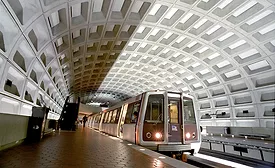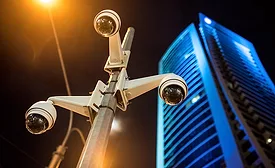
A new survey found that with increased digitalization, public transport is getting smarter and safer than ever. According to the research report, 82 percent of respondents have shifted to digital or hybrid video systems, as compared with 73 percent in 2015. Digitalization of the technology is improving the overall security, leading to an increase in safety and happiness among passengers and staff.
Seniors and millennials may be more alike than many believe - they are both connecting to a similar number of Internet of Things devices (at least 7 Wi-Fi devices) and both engaging in similar, risky online behaviors, reveals a new Generali Global Assistance and the Identity Theft Resource Center study.
In late January, the Department of Justice filed lawsuits seeking temporary restraining orders against five companies and three individuals, based on allegations that they had carried hundreds of millions of fraudulent robocalls to American consumers. Within days, the Federal Trade Commission (FTC) sent letters to 19 Voice over Internet Protocol providers to warn them that any assistance or facilitation of telemarketing through robocalls would be deemed to violate the new law.
As soft target telephone scams become more sophisticated, people are turning to protocols like biometric verification for enhanced protection. But implementation is key.
As digital security through online portals continually improves and people become more wary of phishing emails, hackers have turned to old fashioned telephone calls to elicit key pieces of personal information they can use for profit. It takes little technical skill—just the ability to sound convincing to vulnerable people over the phone.
As companies digitize businesses and automate operations, cyber risks proliferate; here is how the cybersecurity organization can support a secure digital agenda.
Two consistent and related themes in enterprise technology have emerged in recent years, both involving rapid and dramatic change. One is the rise of the digital enterprise across sectors and internationally. The second is the need for IT to react quickly and aggressively develop innovations to meet the enterprise’s digital aspirations.
BART’s Board of Directors has approved a plan to expand the transit agency’s network of digital cameras and install emergency call boxes on station platforms.
The Economist report has analyzed 60 cities across 49 indicators spanning digital, climate, infrastructural, health and personal security concerns, and found Tokyo to be the safest.