Security Magazine logo
search
cart
facebook twitter linkedin youtube
  • Sign In
  • Create Account
  • Sign Out
  • My Account
Security Magazine logo
  • NEWS
    • Security Newswire
    • Technologies & Solutions
  • MANAGEMENT
    • Leadership Management
    • Enterprise Services
    • Security Education & Training
    • Logical Security
    • Security & Business Resilience
    • Profiles in Excellence
  • PHYSICAL
    • Access Management
    • Fire & Life Safety
    • Identity Management
    • Physical Security
    • Video Surveillance
    • Case Studies (Physical)
  • CYBER
    • Cybersecurity News
    • More
  • BLOG
  • COLUMNS
    • Career Intelligence
    • Cyber Tactics
    • Cybersecurity Education & Training
    • Leadership & Management
    • Security Talk
  • EXCLUSIVES
    • Annual Guarding Report
    • Most Influential People in Security
    • The Security Benchmark Report
    • Top Guard and Security Officer Companies
    • Top Cybersecurity Leaders
    • Women in Security
  • SECTORS
    • Arenas / Stadiums / Leagues / Entertainment
    • Banking/Finance/Insurance
    • Construction, Real Estate, Property Management
    • Education: K-12
    • Education: University
    • Government: Federal, State and Local
    • Hospitality & Casinos
    • Hospitals & Medical Centers
    • Infrastructure:Electric,Gas & Water
    • Ports: Sea, Land, & Air
    • Retail/Restaurants/Convenience
    • Transportation/Logistics/Supply Chain/Distribution/ Warehousing
  • EVENTS
    • Industry Events
    • Webinars
    • Solutions by Sector
    • Security 500 Conference
  • MEDIA
    • Interactive Spotlight
    • Photo Galleries
    • Podcasts
    • Polls
    • Videos
      • Cybersecurity & Geopolitical Discussion
      • Ask Me Anything (AMA) Series
  • MORE
    • Call for Entries
    • Classifieds & Job Listings
    • Continuing Education
    • Newsletter
    • Sponsor Insights
    • Store
    • White Papers
  • EMAG
    • eMagazine
    • This Month's Content
    • Advertise
  • SIGN UP!
CybersecuritySecurity NewswireAccess ManagementIdentity ManagementPhysical SecurityCybersecurity News

U.S. Consumers' Security Habits Make Them Vulnerable to Fraud
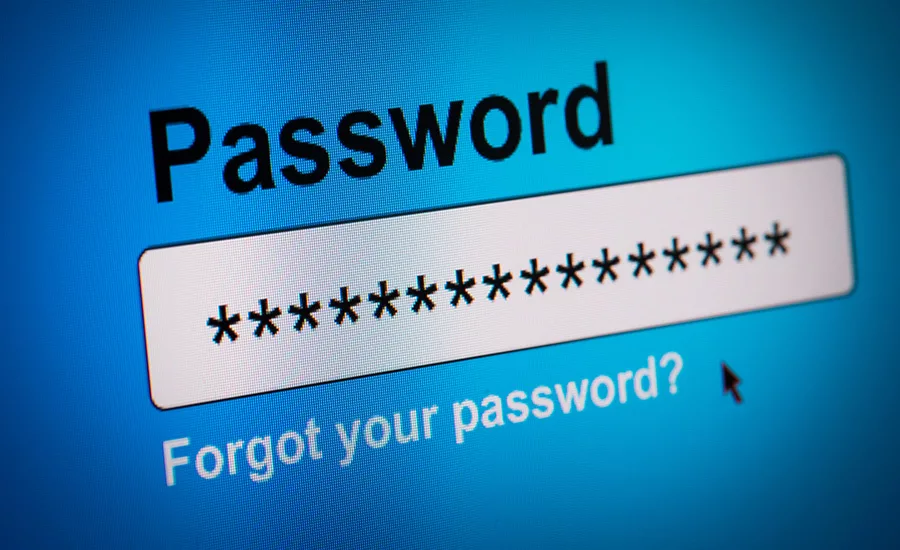
Cybersecurity passwords
November 6, 2018

Despite almost half of U.S. consumers (49 percent) believing their security habits make them vulnerable to information fraud or identity theft, 51 percent admit to reusing passwords/PINs across multiple accounts such as email, computer log in, phone passcode, and bank accounts. That is according to Shred-it's Consumer Fraud Awareness Survey.

Consumers are not only putting their digital security at risk, but their habits toward physical information security also make them vulnerable to fraud or identity theft. While nearly two in 10 consumers (17 percent) are concerned that they could fall victim to a physical security breach, nearly three in 10 consumers (27 percent) admit they do not shred paper or physical documents containing sensitive information before throwing them away.

"The Consumer Fraud Awareness Survey demonstrates how today's consumers are becoming increasingly vulnerable to fraud or identity theft due to lax information security habits," said Monu Kalsi, Vice President, Shred-it. "With International Fraud Awareness Week on the horizon, this is an excellent time for information security leaders to share critical tips and advice with consumers on how they can improve their security habits to ensure they're better protected from a data breach."

Although consumers may be inadvertently putting their own information security at risk, the study also found they don't trust companies to keep their personal information safe. Forty-three percent of consumers believe the personal information they share with brands and companies today could be vulnerable to a security breach. With that, 40 percent say they would stop doing business with a brand or company if they previously suffered a security breach.

Additional findings from the survey include:
Consumers are unsure how to determine if they were victims of fraud and do not understand how to report and remediate fraud/identity theft.

  • More than one-third of consumers (39 percent) have been a victim of fraud or identity theft.
  • Nearly three in 10 consumers (27 percent) admit that they do not know how to find out if they've become a victim of fraud or identity theft.
  • When asked how they found out they were a victim of fraud, 33 percent found out by monitoring their own accounts for suspicious activity, 29 percent were alerted by a business about a security breach of their information and 24 percent discovered it by accident.
  • One in five consumers (20 percent) admit that if they became a victim of fraud, they would not know how to report and remediate it.

Consumers believe they can identify fraudulent emails or calls.

  • While the majority of consumers (72 percent) think they could determine if an email or phone call they receive is part of a fraudulent scam, 16 percent of consumers say they could not and another 12 percent of consumers don't know.
  • Baby Boomers (66 percent) are the least likely to believe they could determine if an email or phone call they receive is part of a fraudulent scam or not, compared to Gen Zs (72 percent) and Millennials (74 percent).

Consumers store paper documents containing sensitive information in risky ways.

  • Nearly 30 percent of consumers store paper documents containing sensitive, personal information in a box, desk drawer or unlocked cabinet at home or work.
  • More than one in five consumers (22 percent) admit to not storing or keeping paper documents containing sensitive information.

Baby Boomers have some of the safest information security habits, despite stereotypes suggesting otherwise.

  • Baby Boomers (47 percent) are the least likely to reuse passwords/PINs across multiple accounts such as email, computer log in, phone passcode and bank accounts, compared to Millennials (55 percent) and Gen Zs (61 percent).
  • Baby Boomers (26 percent) are the least likely to store paper documents containing sensitive, personal information in an unlocked cabinet at home or work, compared to Millennials (33 percent) and Gen Zs (31 percent).
  • Baby Boomers (80 percent) are more likely to shred paper or physical documents containing sensitive information before throwing them away, compared to Millennials (67 percent) and Gen Zs (69 percent).
  • More than nine in 10 (91 percent) Baby Boomers closely monitor their financial account activity such as bank statements, credit reports and credit card statements each week, compared to Millennials (85 percent) and Gen Zs (86 percent).
KEYWORDS: cyber security fraud identity theft passwords

Share This Story

Looking for a reprint of this article?
From high-res PDFs to custom plaques, order your copy today!

Recommended Content

JOIN TODAY
To unlock your recommendations.

Already have an account? Sign In

  • Iintegration and use of emerging tools

    Future Proof Your Security Career with AI Skills

    AI’s evolution demands security leaders master...
    Security Education & Training
    By: Jerry J. Brennan and Joanne R. Pollock
  • The 2025 Security Benchmark Report

    The 2025 Security Benchmark Report

    The 2025 Security Benchmark Report surveys enterprise...
    The Security Benchmark Report
    By: Rachelle Blair-Frasier
  • The Most Influential People in Security 2025

    Security’s Most Influential People in Security 2025

    Security Magazine’s 2025 Most Influential People in...
    Most Influential People in Security
    By: Security Staff
Manage My Account
  • Security Newsletter
  • eMagazine Subscriptions
  • Manage My Preferences
  • Online Registration
  • Mobile App
  • Subscription Customer Service

More Videos

Sponsored Content

Sponsored Content is a special paid section where industry companies provide high quality, objective, non-commercial content around topics of interest to the Security audience. All Sponsored Content is supplied by the advertising company and any opinions expressed in this article are those of the author and not necessarily reflect the views of Security or its parent company, BNP Media. Interested in participating in our Sponsored Content section? Contact your local rep!

close
  • critical event management
    Sponsored byEverbridge

    Why a Unified View Across IT, Continuity, and Security Makes or Breaks Crisis Response

  • Charlotte Star Room
    Sponsored byAMAROK

    In an Uncertain Economy, Security Is a Necessity - Not an Afterthought

  • Sureview screen
    Sponsored bySureView Systems

    The Evolution of Automation in the Command Center

Popular Stories

Digital, tablet and hands

The 2025 Annual Guarding Report: Unrest Inspires Upgrades in Training, Technology

Cybersecurity trends of 2025

3 Top Cybersecurity Trends from 2025

Red laptop

Security Leaders Discuss SitusAMC Cyberattack

Cybersecurity predictions of 2026

5 Cybersecurity Predictions for 2026

Green code

Logitech Confirms Data Breach, Security Leaders Respond

Top Cybersecurity Leaders

Events

September 18, 2025

Security Under Fire: Insights on Active Shooter Preparedness and Recovery

ON DEMAND: In today’s complex threat environment, active shooter incidents demand swift, coordinated and well-informed responses.

January 14, 2026

Is Your Organization Prepared to Navigate Interconnected Threats in 2026?

The 2026 threat environment will be louder, faster, and more interconnected. The most pressing risks, from global political volatility to emerging tech disruptions, will challenge organizations to act amid ambiguity and protect credibility in an era of accelerating uncertainty.

View All Submit An Event

Products

Security Culture: A How-to Guide for Improving Security Culture and Dealing with People Risk in Your Organisation

Security Culture: A How-to Guide for Improving Security Culture and Dealing with People Risk in Your Organisation

See More Products

Related Articles

  • Survey Says Card Fraud Biggest Security Concern for U.S. Consumers

    See More
  • Survey Says Card Fraud Biggest Security Concern for U.S. Consumers

    See More
  • smb-cyber

    4 barriers to teaching employees good cybersecurity habits — and how to overcome them

    See More

Related Products

See More Products
  • security culture.webp

    Security Culture: A How-to Guide for Improving Security Culture and Dealing with People Risk in Your Organisation

  • The Complete Guide to Physical Security

  • facility manager.jpg

    The Facility Manager's Guide to Safety and Security

See More Products
×

Sign-up to receive top management & result-driven techniques in the industry.

Join over 20,000+ industry leaders who receive our premium content.

SIGN UP TODAY!
  • RESOURCES
    • Advertise
    • Contact Us
    • Store
    • Want More
  • SIGN UP TODAY
    • Create Account
    • eMagazine
    • Newsletter
    • Customer Service
    • Manage Preferences
  • SERVICES
    • Marketing Services
    • Reprints
    • Market Research
    • List Rental
    • Survey/Respondent Access
  • STAY CONNECTED
    • LinkedIn
    • Facebook
    • YouTube
    • X (Twitter)
  • PRIVACY
    • PRIVACY POLICY
    • TERMS & CONDITIONS
    • DO NOT SELL MY PERSONAL INFORMATION
    • PRIVACY REQUEST
    • ACCESSIBILITY

Copyright ©2025. All Rights Reserved BNP Media.

Design, CMS, Hosting & Web Development :: ePublishing